
Dynamic Camera Movement
Try tracking shots, orbiting moves or whip pans in your prompt. Camera movement and smoothness can vary by model and prompt.
Create AI videos in HHGen from a prompt or reference image. Choose a model and check its credit estimate before generating.
These illustrative examples show ways AI video generation can handle camera movement, motion, effects and rhythm.
Try prompts for fast-paced fights, extreme sports or complex interactions. Results can vary, especially with intricate motion and physical details.
Try tracking shots, orbiting moves or whip pans in your prompt. Camera movement and smoothness can vary by model and prompt.
Try prompts involving running, jumping, collisions or interactions with the environment. Motion may vary between frames and generations.
Depending on the selected model, you may be able to add video, audio or images as references to help guide aspects such as camera movement, rhythm or style.
Where supported, a reference video can help guide camera movement and motion in a newly generated clip. Results may differ from the reference.
Try whip pans, match cuts or stylised reveals in your prompt. Transition timing and the result depend on the selected model and inputs.
Describe the scenes, actions and pacing you have in mind. The selected model’s capabilities determine how closely the generated clip can follow your direction.
Where supported, use an audio reference to help guide rhythm and pacing. Check the selected model’s options and credit cost before generating.
Write what moves and how the camera should follow it. Add a starting image or other reference when the selected mode supports it.
Choose a model for your input and set the available duration and framing options. Review the displayed credit cost.
Check the motion and framing. Adjust the prompt or reference if needed, then download the clip you want.
Describe a scene or upload an image, then choose a supported model to create a video. Available inputs and output options vary by model; check the selected model and displayed credit cost before generating.
Describe the video you want or upload an image, then select a supported model. Available inputs and results depend on the model you choose.
Describe camera movement, such as a tracking shot or orbit, in your prompt. The result depends on the selected model and your input.
Describe how you want scenes to connect, or use a storyboard as a guide. The result depends on the selected model and prompt.
Where supported, provide audio or describe the music you want. Check the selected model’s input options; beat matching is not available for every model.
Use the generator in a browser on a phone, tablet or computer. Available controls and results depend on the selected model.
Where supported, use images, video or audio as references for style, camera movement or rhythm. The result may differ from your references.
Using the HHGen video generator.
Can't find what you need? Contact support
Create AI videos in HHGen from a prompt or reference image. Choose a model and check its credit estimate before generating.

 Video
Text to video · Image to video
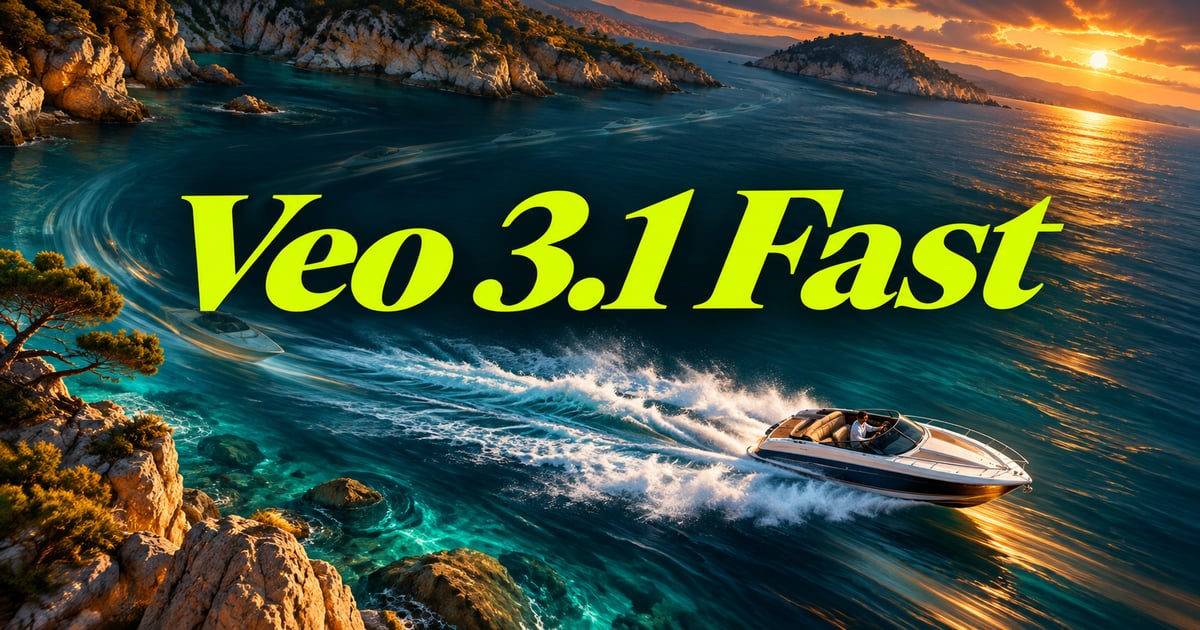 Video
Text to video · Image to video
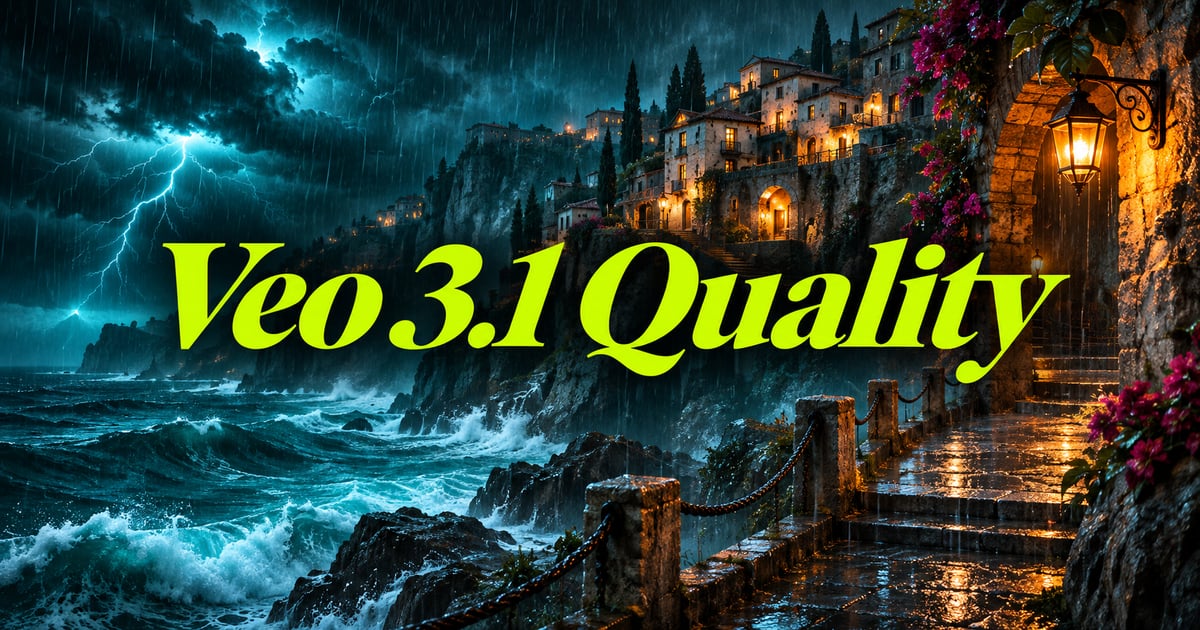 Video
Text to video · Image to video
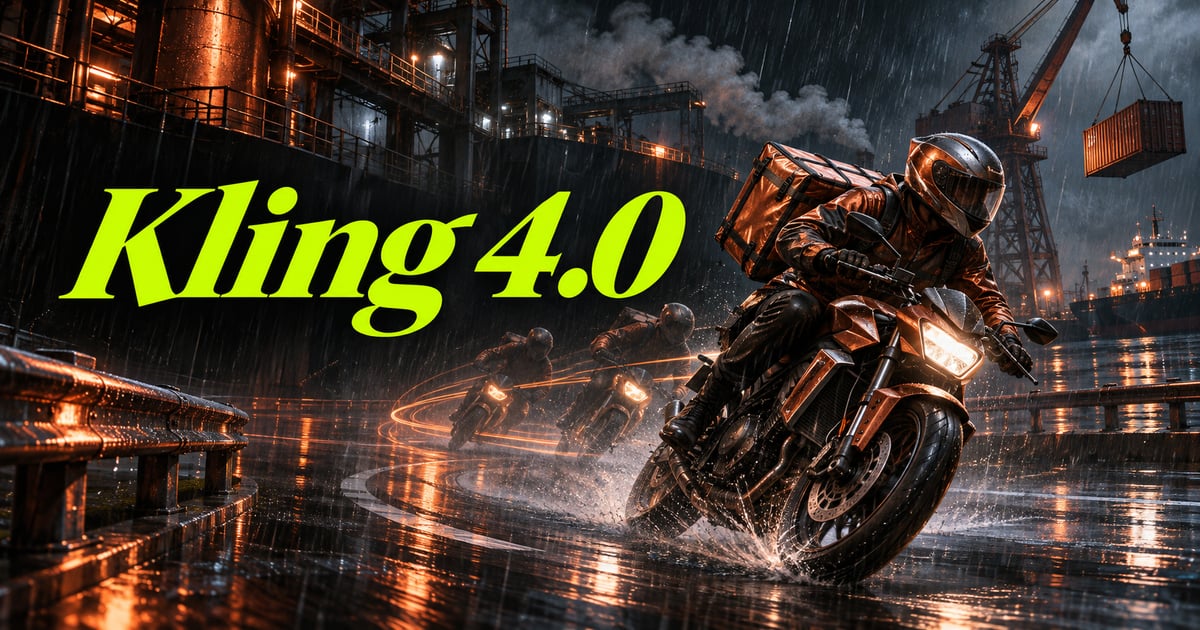
 Video
Create 3–30-second videos from text, first and last frames, or visual references. Choose 720p or 1080p and review motion, sound and credits before developing your next edit.
 Video
Text to video · Image to video
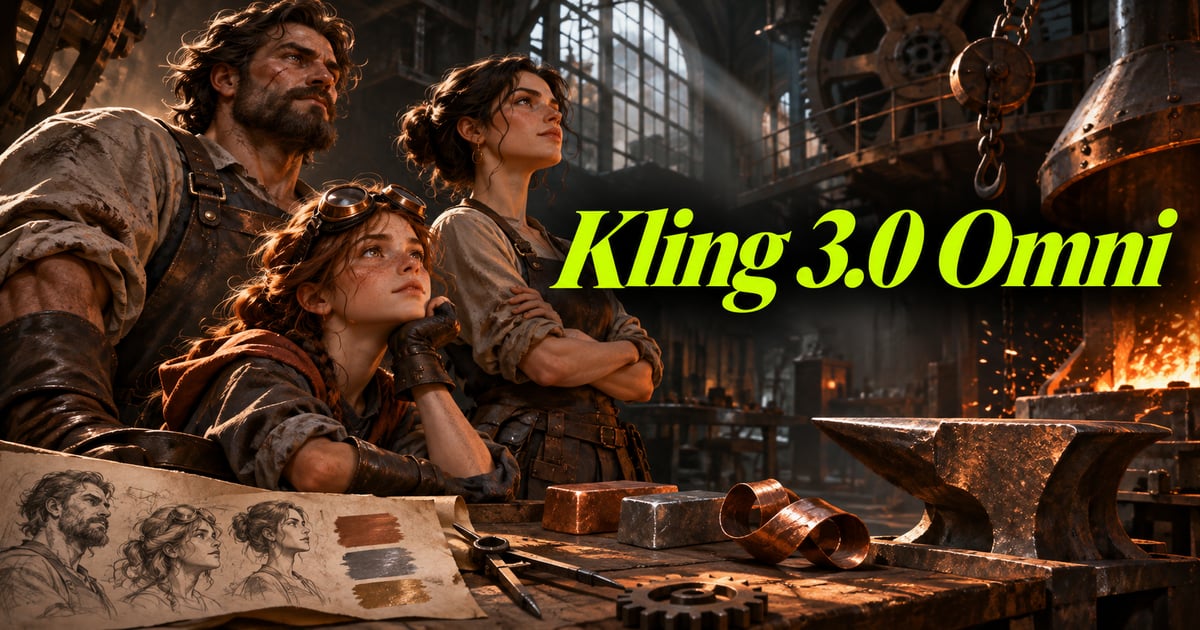 Video
Text to video · Image to video
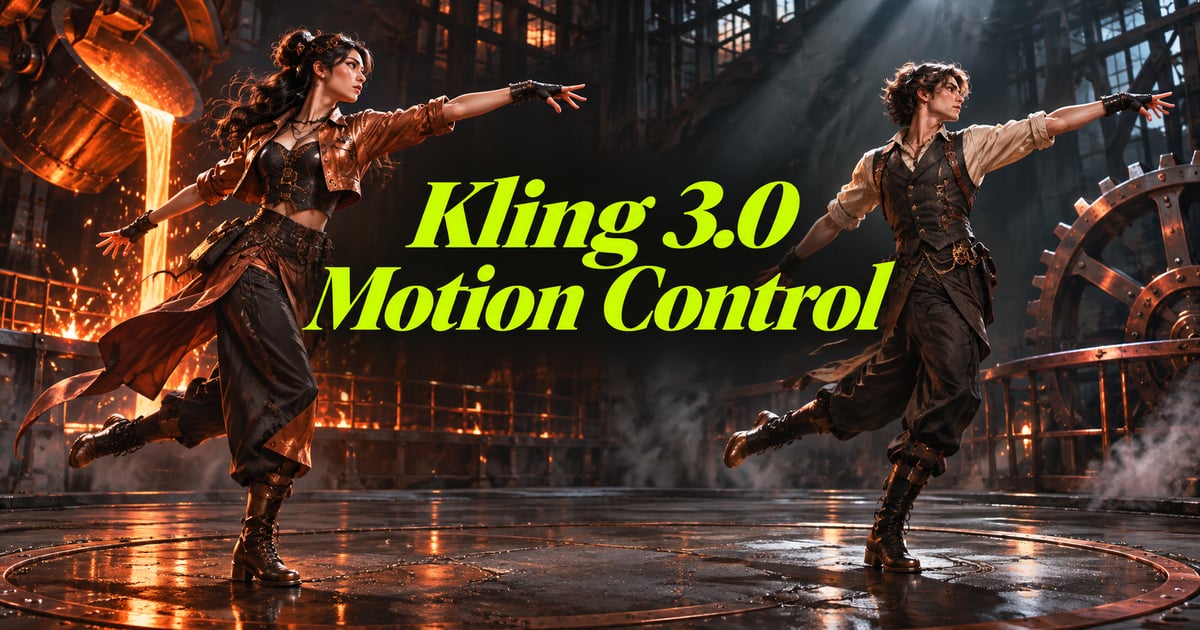 Video
Image to video · Video to video
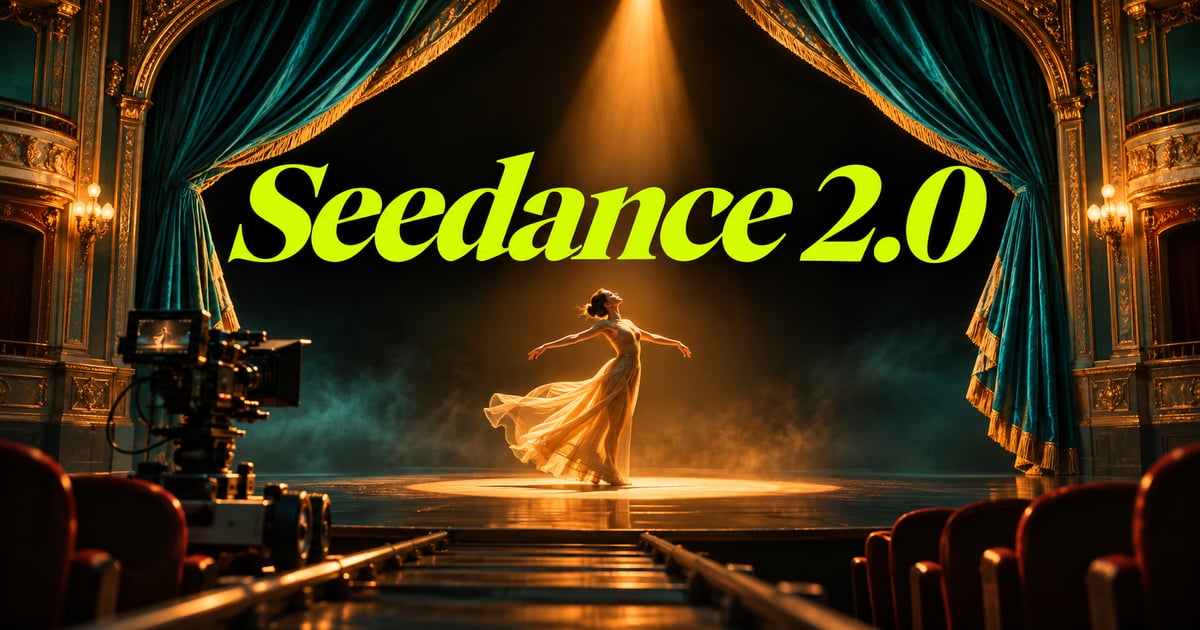
 Video
Seedance 2 is ByteDance's video model for visual quality, complex motion and multimodal references. It supports text, image, video and audio inputs for projects that need consistent visuals and considered camera movement.
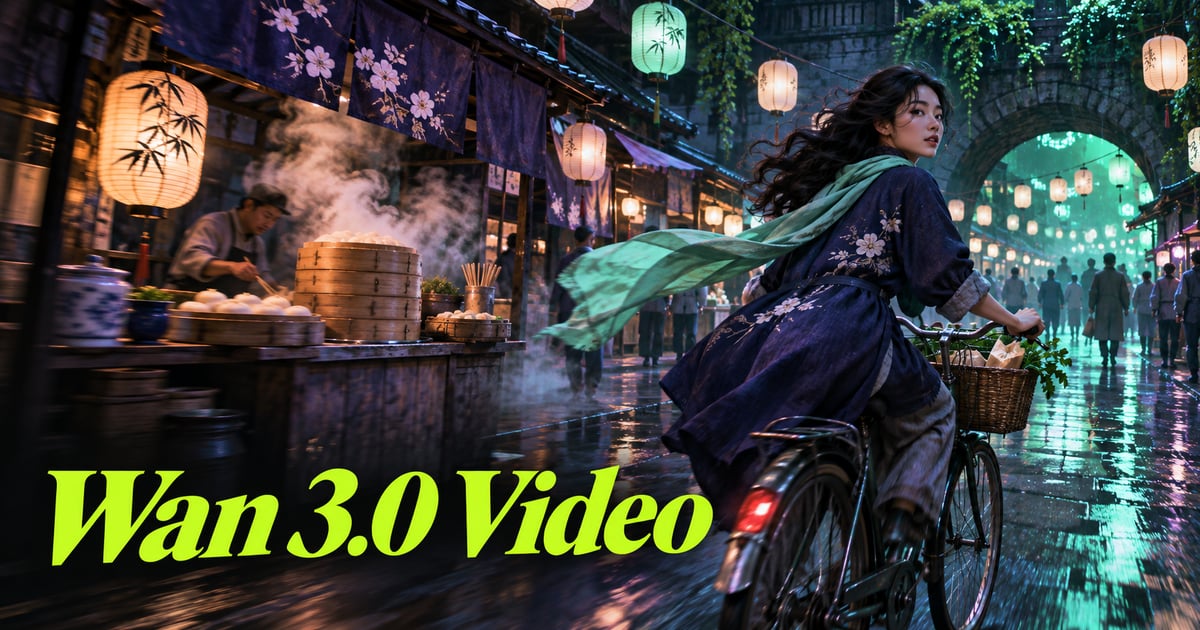
 Video
Wan 3.0 Video is Alibaba's multimodal video model for text-to-video, image-to-video, reference-to-video and video editing with image, video and audio references.
Write a prompt or start from an image, then choose your video model.
Create a videoAutomatic aspect ratio
The model or reference image determines the frame.
Your video will appear here
720p